Sugar prices in India have risen sharply just as households, sweet shops and food businesses prepare for the festive season. The all-India average retail price reached ₹55.70 per kg on August 20, up from ₹48.18 per kg on July 20, according to the Ministry of Consumer Affairs, Food and Public Distribution. The jump has pushed the government into a series of supply-side interventions aimed at cooling the market before demand strengthens further.
The Centre says the increase reflects a combination of lower-than-expected production, weather and crop damage, tighter global supplies, stronger seasonal demand and speculative or hoarding activity. It has also rejected the argument that greater diversion of sugar to ethanol is the main reason for the current price spike. The government’s official statement says domestic availability remains sufficient, but authorities are trying to prevent a supply squeeze from becoming a broader consumer-price problem.
How much has the sugar price in India increased?
The government’s national retail data shows a rise of about 15.6% in one month, from ₹48.18 per kg on July 20 to ₹55.70 per kg on August 20. Prices paid by individual consumers can differ by city, store, brand and pack size, so the number should be read as an all-India reference rather than a fixed retail rate everywhere.
The pressure has been visible in wholesale markets too. Reuters reported that Indian sugar prices had climbed dramatically over the previous two months as production tightened, prompting the country to open the door to imports for the first time in nearly a decade. The timing matters because demand for sweets and processed foods typically increases during the festival period from late August through Diwali.
Why are sugar prices rising?
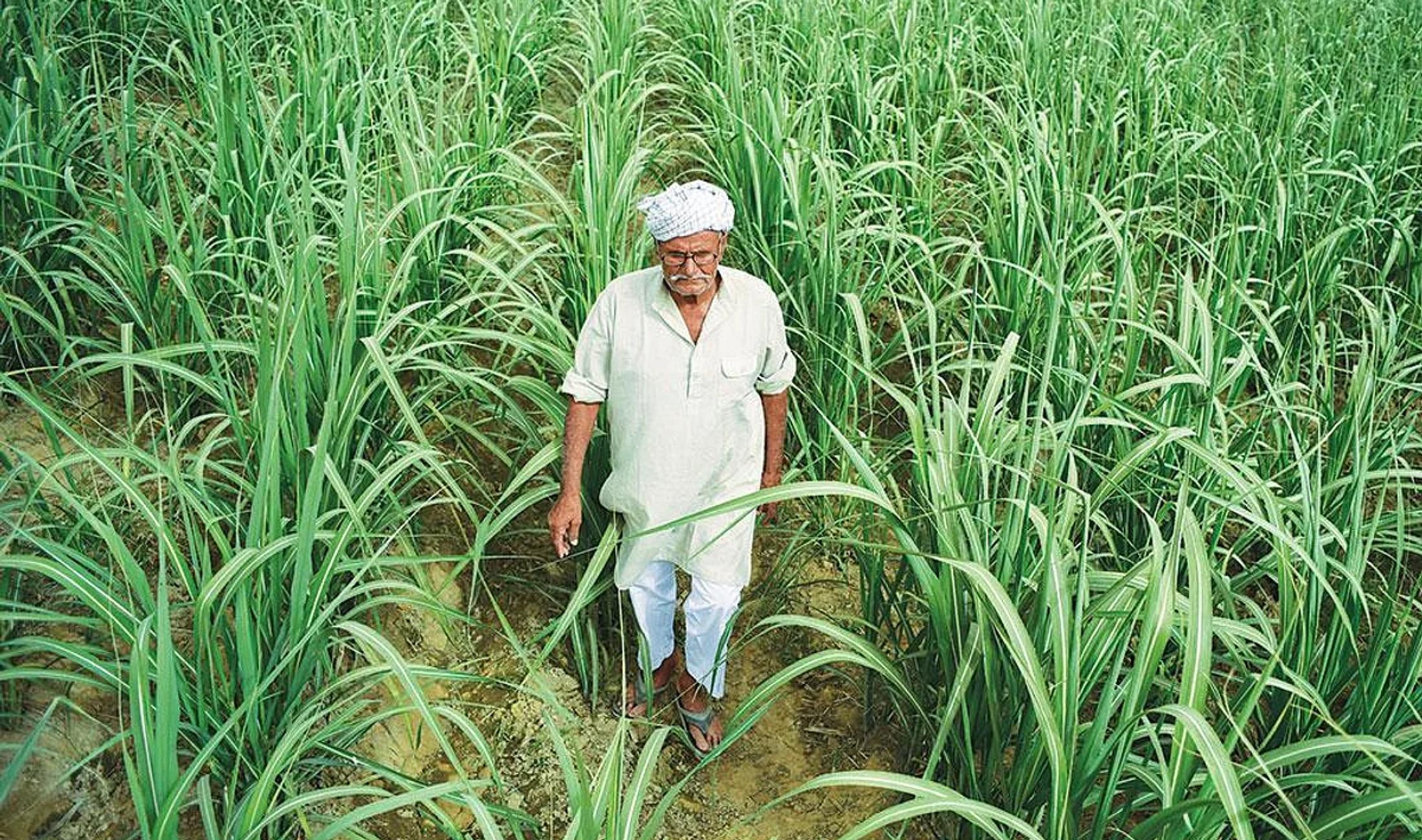
The biggest immediate problem is that sugar output is now expected to be lower than originally forecast. Production for the current sugar season is estimated at around 306 lakh metric tonnes, roughly 11% below the initial estimate of 343 lakh metric tonnes submitted by sugarcane-producing states. That reduces the cushion available to the market when demand rises.
Crop conditions have contributed to the shortfall. The government has cited Red Rot and Top Borer disease in sugarcane-growing areas as well as waterlogging caused by excessive rainfall. At the same time, international sugar prices have also risen, which makes the global market a less comfortable fallback when India needs additional supply.
Weather risk is also becoming more important across Indian agriculture. Our explainer on India’s 2026 monsoon deficit and El Niño looks at how uneven rainfall can affect crops, food prices and the next planting season.
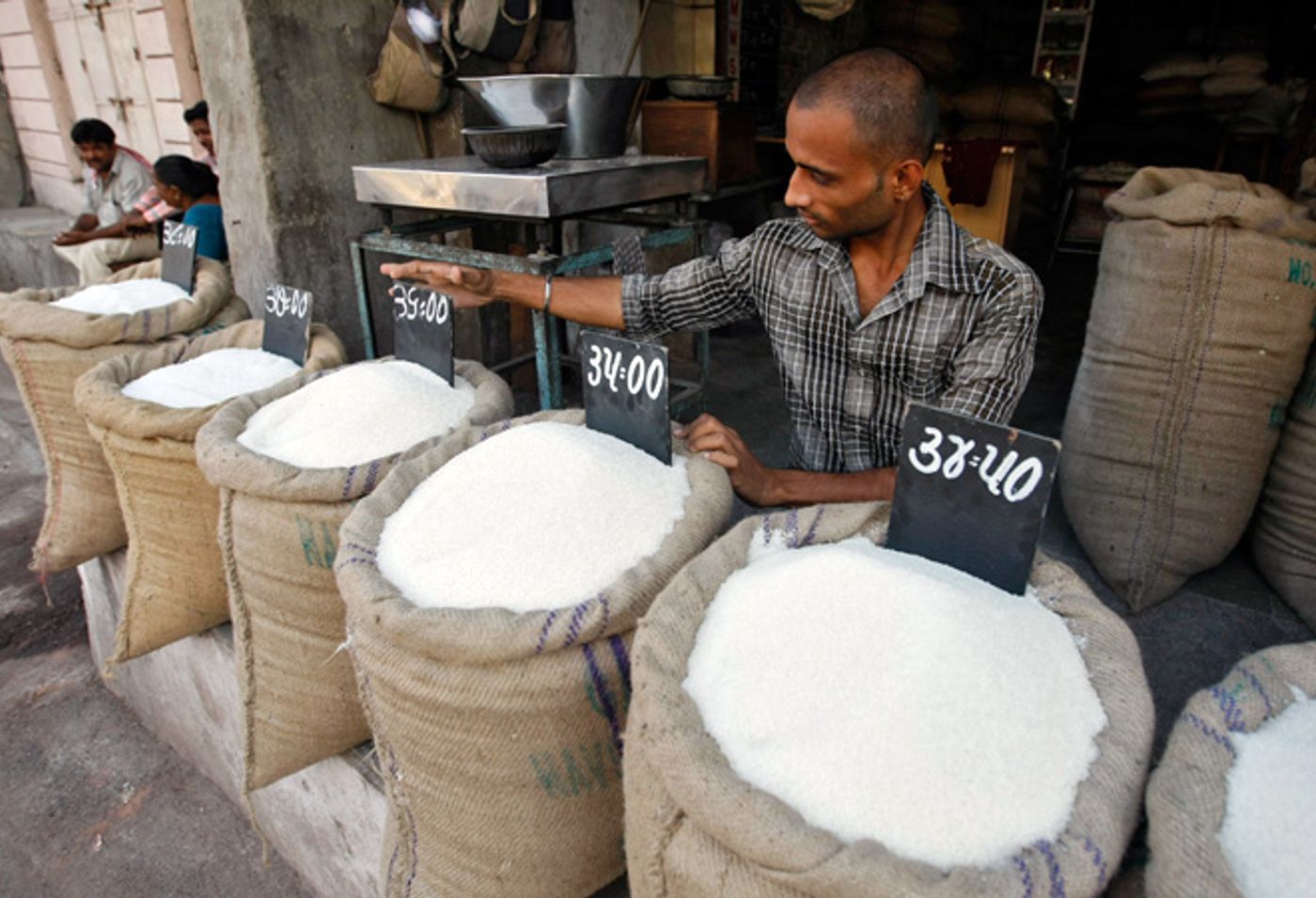
Demand is another part of the equation. India is the world’s largest sugar-consuming country, and the festival season brings a predictable increase in purchases from households, confectioners, sweet shops, beverage companies and food processors. When that seasonal rise meets lower production and tight inventories, prices can move quickly.
Is ethanol production causing the sugar shortage?
The government says no. It argues that the share of sugar diverted toward ethanol has actually fallen compared with earlier years. According to the ministry, about 9% of sugar was diverted for ethanol in 2025-26, compared with roughly 12% in 2022-23. It also says nearly three-fourths of ethanol production now comes from grains, particularly maize.
That does not mean the relationship between sugarcane, ethanol and sugar prices is irrelevant. The same agricultural feedstock can serve multiple markets, so allocation policy matters over time. But for the present spike, the government’s stated position is that lower crop output, weather damage, demand, global tightness and market behaviour are the more important drivers.
Why India is allowing duty-free sugar imports
India has allowed duty-free imports of 1 million metric tonnes of raw sugar until October 31. Reuters reported that mills and refiners with the capacity to process raw sugar can apply for the tariff-rate quota, with preference for importers that commit to completing shipments by October 15. India normally imposes a 100% import duty on sugar, making the temporary zero-duty window a significant policy change.
The immediate objective is straightforward: increase the quantity of sugar available to the domestic market and cap further price increases. Port-based refineries that usually process imported raw sugar for re-export have also been allowed to sell eligible refined sugar domestically. Reuters reported that this could add around 300,000 tonnes to local supply relatively quickly, while larger fresh shipments are likely to take longer to arrive.
Stock limits and inspections are the second part of the plan
Imports are not the only measure. The Centre has tightened stockholding rules to discourage hoarding and speculative accumulation. Dealers are subject to stock limits, while bulk consumers face restrictions linked to the number of days of consumption they can keep on hand. Central and state teams are also physically verifying stocks held by sugar mills.
These controls are designed to move existing sugar through the supply chain rather than allowing large inventories to sit outside normal market circulation. They can help in the short term, but enforcement matters. If prices are mainly being driven by a genuine production shortfall, stock limits alone cannot create new supply, which is why imports and an earlier start to crushing are important parts of the response.
Can the new sugarcane crushing season bring relief?
The government has advised states and mills to begin crushing from October 15. It expects October production to exceed 10 lakh metric tonnes, compared with the more typical 3 to 4 lakh metric tonnes produced during the month. If mills begin on schedule and imported raw sugar also reaches refiners, the supply picture should improve during October.
That means consumers should not assume prices will immediately return to July levels. Import logistics take time, festival demand remains elevated and crop uncertainty has not disappeared. The more realistic near-term goal of the government’s measures is to stop another sharp upward move and gradually improve availability rather than produce an overnight price reversal.
Who is most affected by higher sugar prices?
For households, the impact is visible but relatively contained because sugar usually represents a small share of the monthly grocery basket. The effect becomes more significant for businesses that use sugar as a core input, including mithai shops, bakeries, confectionery makers, beverage companies and food processors. Those businesses may have to absorb higher costs, reduce margins or pass part of the increase to customers.
Sugar producers face a different trade-off. Higher domestic prices can improve mill realisations, but duty-free imports create competition and may limit how far prices can rise. Farmers are also watching the market because mill finances influence the speed of sugarcane payments. The government says 97% of sugarcane dues for the 2025-26 season had been paid as of August 20.
What happens next
The next few weeks will show whether the combination of imports, stock limits, inspections and an earlier crushing schedule is enough to stabilise prices before peak festive demand. Key signals to watch are the pace of import allocations, wholesale prices in major sugar markets, mill stock levels and whether the October crushing season begins on time.
For consumers, the most useful number is the retail sugar price per kg in their local market rather than a single national quote. Nationally, however, the direction is clear: prices rose fast enough to trigger unusually strong government intervention. The policy response is now focused on getting more sugar into circulation before the festival season reaches its highest-demand phase.