India’s southwest monsoon is entering its final stretch with a significant rainfall shortfall. As of August 24, seasonal rainfall was about 13% below normal, and meteorologists expect the deficit could widen as El Niño strengthens in the Pacific.
The headline number matters because the monsoon is not just a weather event. It supplies most of India’s annual rainfall, supports rain-fed farming, replenishes reservoirs and groundwater, and influences food prices, rural incomes and inflation. A weak finish to the season can therefore affect households well beyond the farms that directly depend on rainfall.
At the same time, the situation is more complicated than a single national deficit suggests. Some parts of India are receiving heavy rain this week while other regions remain deeply deficient for the season. That unevenness is one of the defining features of India monsoon 2026.
Where India Monsoon 2026 Stands Now
Reuters reported on August 24 that India’s seasonal monsoon rainfall was running roughly 13% below the long-period average. June was particularly weak, with rainfall about 35.4% below normal. July improved sharply and finished around 1% above normal, but August has again been weak, running about 15% below normal.
The national average also hides large regional gaps. IMD-based data reported through August 21 showed deficits of about 45% in Haryana, 40% in Bihar and Andhra Pradesh, 32% in Punjab and 25% in Karnataka. Kerala, another state that normally receives very heavy monsoon rain, was about 23% below normal through August 24.
This is why a spell of intense rainfall in one city or state does not necessarily mean the monsoon deficit has ended. The India Meteorological Department is forecasting heavy rain and thunderstorms across several regions this week, but short bursts of rainfall cannot automatically compensate for weeks of accumulated shortage, especially when the rain arrives unevenly or too late for specific crop stages.
Why El Niño Is Becoming More Important
El Niño is a periodic warming of the central and eastern tropical Pacific Ocean. It changes atmospheric circulation around the world and is often associated with weaker monsoon conditions in India, although the relationship is not perfectly consistent every year.
The concern in late August is that El Niño conditions are strengthening when India still needs a strong finish to the June-September rainfall season. Meteorologists cited by Reuters expect the nationwide monsoon shortfall could finish near 15%, which would make 2026 one of India’s weakest monsoon seasons since 2009.
IMD’s pre-season outlook already showed elevated risks of below-normal rainfall in several regions. Its May seasonal forecast assigned higher probabilities of below-normal rainfall to northwest India, central India and the south peninsula. The actual season has since shown how quickly those regional risks can turn into a broad national concern.
Which Crops Are Most Exposed?
The first risk is to kharif crops that are planted around the start of the monsoon and harvested later in the year. Cotton, soybean, maize and pulses are among the crops that can be affected when rainfall is weak, badly timed or geographically uneven.
Rainfall timing can matter as much as the seasonal total. A farm may receive enough rain across four months on paper but still lose yield if long dry spells occur during sowing, flowering or grain development. Conversely, extremely heavy rain over a few days can cause waterlogging and crop damage without solving the broader soil-moisture problem.
The weakness also matters for the next crop cycle. Lower soil moisture at the end of the monsoon can affect rabi crops such as wheat and rapeseed because farmers begin the winter season with less water stored in the ground and, in some regions, less surface-water availability.
Could a Weak Monsoon Push Food Prices Higher?
It raises the risk, but it does not guarantee an immediate nationwide price surge. Food prices are influenced by harvest size, government stocks, imports, exports, transport costs and how much supply reaches markets. Different crops can therefore move in very different directions even during the same rainfall season.
India is already seeing how weather, inventories and policy can interact in individual commodities. Sugar prices recently rose sharply before the government allowed duty-free raw sugar imports. Headline Thread explained the supply and policy backdrop in our guide to India’s sugar price surge.
A weaker monsoon can also influence inflation indirectly. If fodder, vegetables, pulses or oilseeds become more expensive, the impact can spread through household food bills and production costs. Rural income growth may weaken at the same time if farm yields disappoint, creating a difficult combination for consumption in agriculture-dependent regions.
The Water Risk Goes Beyond Agriculture
Monsoon rain replenishes rivers, reservoirs and groundwater that cities, industry and farms rely on for months after the season ends. A rainfall deficit does not translate directly into a water shortage because storage levels vary widely by basin and region, but persistent shortfalls can reduce the buffer available before the next monsoon.
Groundwater is particularly important because farmers in many parts of India use wells and tube wells to compensate when rainfall fails. That can protect crops in the short term while increasing electricity use and drawing down aquifers, especially in already water-stressed agricultural belts.
What It Could Mean for India’s Economy
India’s economy is far less dependent on agriculture than it was decades ago, but the monsoon still matters because agriculture supports a large share of employment and rural demand. A weak season can reduce farm income, slow spending on consumer goods and increase pressure for government support in badly affected districts.
The inflation channel is equally important. Higher food inflation can complicate the Reserve Bank of India’s policy choices because food carries a large weight in household budgets and consumer-price inflation. Even if core inflation remains contained, volatile food prices can shape inflation expectations and purchasing power.
The monsoon story is therefore part of a wider economic-policy picture. India is simultaneously modernising financial infrastructure and trying to attract investment. For another recent example, see our explainer on India’s first tokenised corporate bond pilot.
Why Heavy Rain This Week Does Not Contradict the Deficit
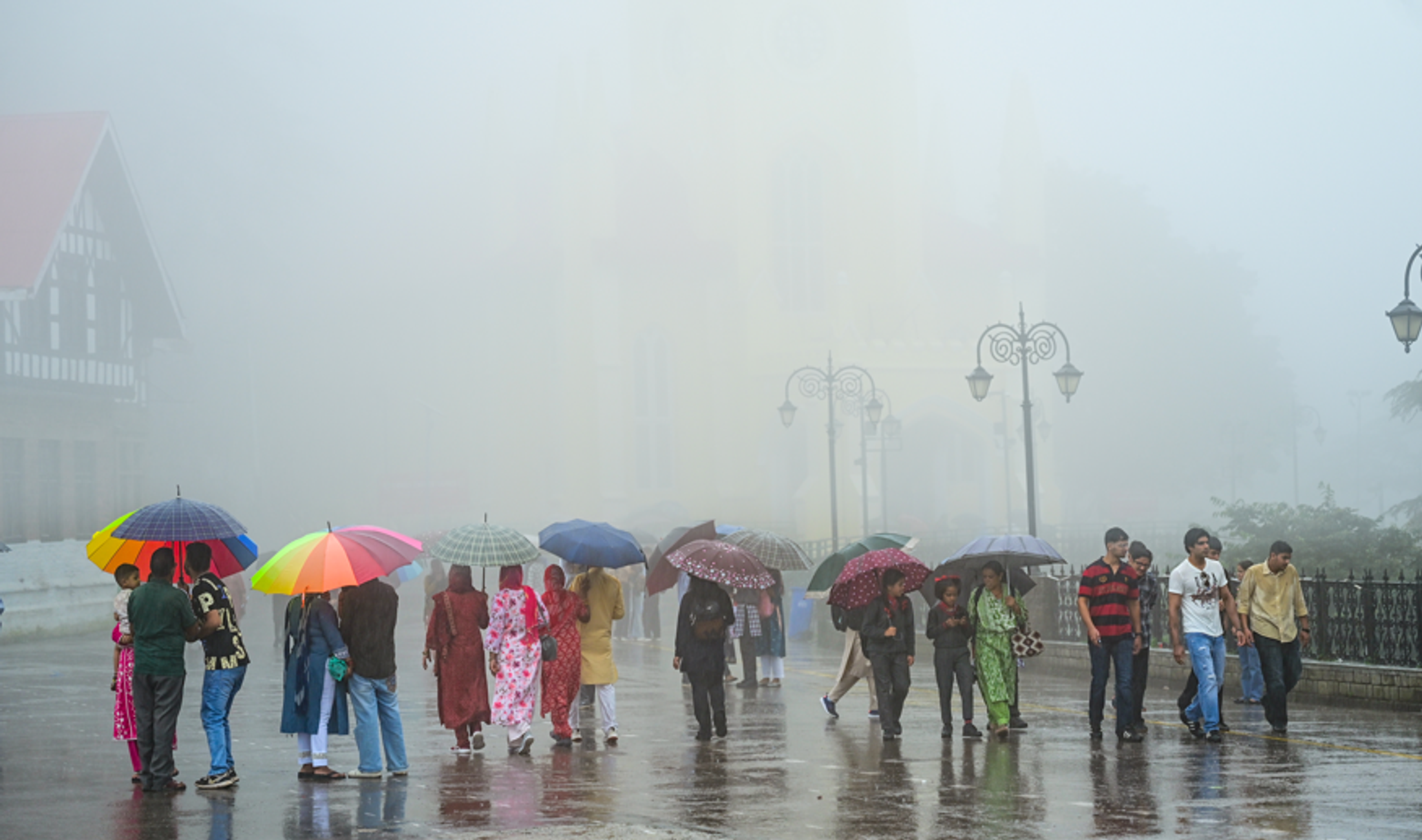
Weather forecasts for late August include heavy to very heavy rain in several states. That can sound inconsistent with reports of a weak monsoon, but the two can happen at the same time.
A seasonal deficit measures accumulated rainfall over a large area and a long period. A local extreme-rain event measures what happens in a specific place over hours or days. India can therefore experience floods in one region while another region remains in drought-like conditions, and a state can receive intense rainfall after spending much of the season below normal.
This uneven distribution is crucial for agriculture and water management because total millimetres of rain do not capture whether the water arrived where and when it was needed.
What Happens Next?
The next major checkpoint is IMD’s September forecast, expected at the end of August. September normally provides the final portion of southwest monsoon rainfall before withdrawal begins, so a stronger-than-expected month could narrow the deficit while another weak month would leave India with a much larger seasonal shortfall.
Farmers and policymakers will also watch crop acreage, reservoir levels, soil moisture and market prices rather than rainfall alone. Those indicators will show whether the weather shortfall is translating into meaningful production losses.
For consumers, the most important point is that the monsoon deficit is a risk signal rather than a prediction that every food item will become more expensive. The economic impact will depend on how September develops, which regions receive rain, and how effectively inventories and trade policy cushion any crop shortages.
Source note: The latest national rainfall and El Niño figures in this article are based on Reuters reporting from August 24, which cited senior India Meteorological Department officials and current seasonal rainfall data.
The Bottom Line
India monsoon 2026 is now shaping up as one of the weakest seasons in years, with a roughly 13% rainfall deficit by late August and a strengthening El Niño raising concerns about the final month. The biggest risks are not simply less rain, but where the shortfall is concentrated, when rainfall arrives and whether depleted soil moisture carries into the winter crop season.
September will determine whether the deficit stabilises or becomes a larger problem for crops, food inflation and rural demand. Until then, national rainfall totals should be read alongside state-level data, crop conditions and reservoir trends.